10 Signs Your Small Business Website Needs a Redesign
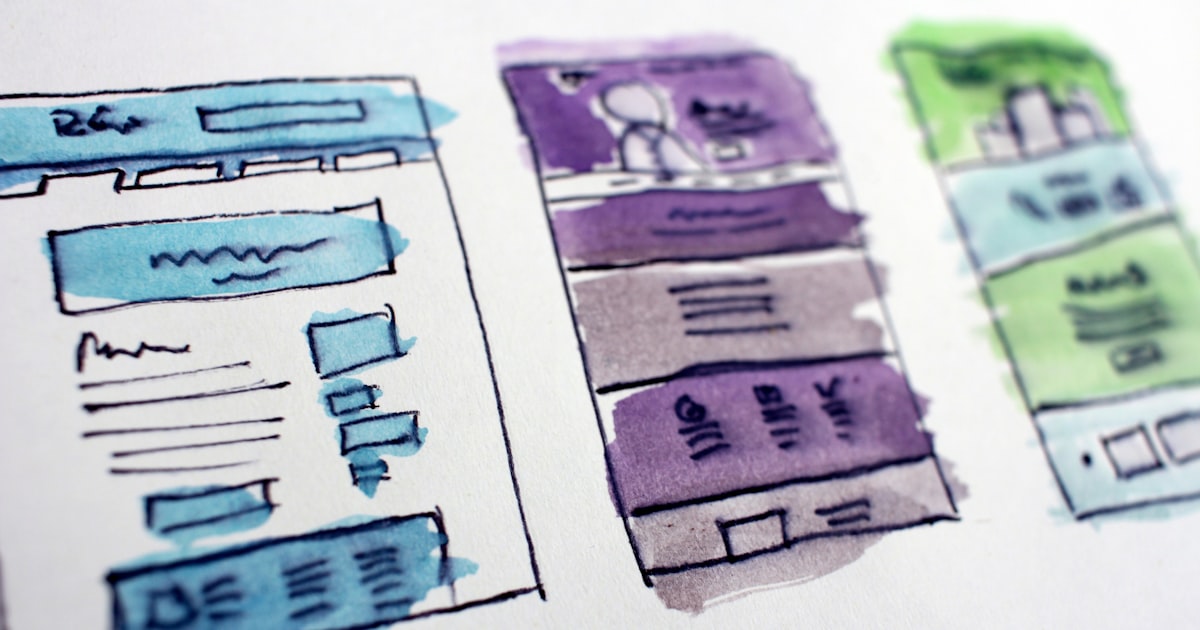
Your website is often the first impression a potential customer forms of your business, and it quietly shapes whether they trust you enough to get in touch. The trouble is that websites age faster than most owners realise. A site that felt fresh three or four years ago can be costing you enquiries every single day without you noticing. If you have a nagging feeling that something is not quite working, a website redesign might be exactly what your small business needs, and this guide will help you know for sure.
Below are ten honest signs it is time for a change. You will not need all ten to justify a rebuild, but if you tick off three or four, your website is very likely holding you back. Everything here is in plain English, with practical checks you can run yourself in a few minutes, no technical knowledge required.
1. It is hard to use on a phone
Most people visiting your website today are on a mobile phone, often while they are out and about deciding who to call. If your site forces them to pinch, zoom, and squint, most will simply give up and try the next business on the list.
Open your website on your own phone right now. Can you read the text without zooming? Are the buttons big enough to tap with a thumb? Does your phone number actually dial when you tap it? If any of that feels awkward, your site is not genuinely mobile-friendly, and that is one of the clearest reasons to consider a redesign. Google also favours mobile-friendly sites in its rankings, so a clunky mobile experience quietly hurts your visibility as well.
2. It is slow to load
Speed matters more than most owners think. A few extra seconds of loading is often all it takes for a visitor to lose patience and back out before your homepage even appears, and every one of those is a customer you paid to attract. Slow sites frustrate people and drag down your search rankings at the same time.
The usual culprits are oversized images straight off a phone camera, bloated page builders, cheap shared hosting, and years of plugins piling up. A redesign is the ideal moment to strip out the clutter and rebuild something lean and fast. Want to test yours in about thirty seconds? Run your address through Google's free PageSpeed Insights tool and see where you land. For why those seconds count so much, our guide on why website speed matters breaks it down without the jargon.
3. It does not show up on Google
If customers can only find your website by typing the exact name of your business, it is not really working for you. The whole point of being online is to be found by people who do not know you yet, at the moment they search for what you do.
Older websites often miss the basics that help search engines understand them: clear page titles, sensible headings, descriptive content, and proper local information. A redesign done well bakes these in from the start. It pairs naturally with a solid SEO foundation, and if most of your customers are nearby, getting your local search and Google Maps presence right can make a genuine difference to how often the phone rings.
4. You are embarrassed to send people to it
This one is simple but telling. When someone asks for your website, do you say the address with pride, or do you hesitate and add, "it's a bit out of date"? If you find yourself apologising for your own site, your customers are quietly forming the same impression.
Your website is a reflection of how you run your business. A tired, dated design suggests a tired, dated operation, even when the opposite is true. Feeling reluctant to share your own address is a strong emotional signal that it is time for a refresh.
5. Visitors arrive but never get in touch
Traffic on its own does not pay the bills. If people are landing on your site but never calling, emailing, or filling in a form, something in the journey is broken. This is one of the most expensive problems a website can have, because you are paying for attention and then letting it slip away.
Common reasons visitors leave without acting
- There is no clear next step, so people do not know what to do.
- Your phone number and contact form are hard to find.
- The site does not explain plainly what you do or who you help.
- There is nothing that builds trust, such as reviews or real photos.
A redesign is a chance to guide visitors gently towards getting in touch, with clear calls to action, obvious contact details, and proof that you do good work. If turning browsers into enquiries is your main frustration, our piece on how to turn website visitors into customers is worth a read alongside this one.
6. You cannot update it yourself
Small businesses change. Prices shift, services evolve, hours change over the holidays, and you might want to add a new offer or a fresh photo. If making even a tiny change means emailing a developer and waiting a week, your website is working against you rather than with you.
Modern websites are built so you can update text, images, and simple content on your own, without touching code. If you are locked out of your own site, or nervous about breaking it, a rebuild on a friendlier platform will save you time and frustration for years.
7. It is not secure
Look at the address bar when you visit your own site. If it does not start with "https" and show a small padlock, browsers now flag the page as "Not secure", hardly the welcome you want a new customer to see. Beyond the scare factor, that padlock (an SSL certificate) encrypts the information visitors send you, which matters the moment you have a contact form or take any kind of payment.
Older sites also tend to run on outdated software that no longer receives security updates, leaving the door open to hacks, spam, and defacement, the kind of thing that can take your site offline for days right when you need it most. A redesign lets you start fresh on secure, well-maintained foundations. Our overview of website security and SSL for small business explains what to check and why it matters.
8. It no longer matches your business
Businesses grow and change direction. Maybe you started as a one-person operation and now have a team. Maybe you have added services, dropped others, moved premises, or refined who you serve. If your website still tells the story of the business you were three years ago, it is confusing the very people you want to attract.
Your branding may have shifted too, with new colours, a new logo, or a clearer sense of what you stand for. When your website looks and sounds like a different business, visitors sense the mismatch. A redesign realigns your online presence with who you actually are today.
9. Your competitors look sharper
Open a few competitor websites and put yours next to them. Be honest. If theirs look modern, clear, and easy to use while yours feels dated, you are losing the comparison in the moments that matter, because customers often shortlist two or three businesses before choosing one.
You do not need the flashiest site in your industry. You simply need to look credible, professional, and current. If the gap between you and the businesses you compete with has grown wide, closing it is a sound investment.
10. It was never really built for your goals
Some websites were put up quickly years ago just to have something online. They were never designed to bring in enquiries, showcase your best work, or guide a visitor towards becoming a customer. If your site is essentially a digital business card that sits there doing nothing, it is not pulling its weight.
A purposeful redesign starts with what you actually want the site to do, whether that is more phone calls, more bookings, or more quote requests, and every part of the design serves that goal.
What a website redesign actually involves
A good website redesign is far more than a fresh coat of paint. It is a chance to rethink how your site works for the people you want to reach. While every project is a little different, most follow a similar path:
- Discovery — sorting out what the site needs to achieve, who it is for, and what is and is not working today.
- Structure and content — mapping the pages, sharpening the words, and gathering photos so visitors quickly understand what you do.
- Design — building a clean, on-brand look that works beautifully on phones as well as laptops.
- Build and SEO — developing the site on fast, secure foundations with search visibility baked in, not bolted on afterwards.
- Launch and redirects — going live carefully, with redirects in place so you keep the Google rankings you have already earned.
Knowing the shape of the process makes it far easier to brief a web partner and budget sensibly. If you would like to see how we package this up, take a look at our website packages or get in touch for a chat.
Website redesign, refresh, or leave it: how to decide
Not every problem needs a full rebuild. Use this table to gauge where you sit before you spend a dollar.
| Your situation | Best move | Why |
|---|---|---|
| Site looks fine, one or two small niggles | Light refresh | Minor tweaks to content, images, or buttons may be all you need. |
| Works on desktop but poor on mobile and slow | Redesign | Mobile and speed issues usually run deeper than surface fixes. |
| Cannot be found on Google and gets no enquiries | Redesign | The foundations need rebuilding, not patching. |
| Not secure or on unsupported software | Redesign soon | Security and reliability risks only grow over time. |
| Modern, fast, secure, and bringing in leads | Leave it | If it is working, keep it and focus your energy elsewhere. |
A simple self-check before you decide
- Open your site on your phone and time how long it takes to load.
- Search Google for what you do plus your suburb, and see if you appear.
- Try to find your phone number and get in touch in under ten seconds.
- Check for the padlock and "https" in the address bar.
- Ask a friend or customer for one honest first impression.
Is a website redesign worth the investment?
For most small businesses, the honest answer is yes, provided the redesign is built around results rather than looks alone. A modern, fast, secure site that guides visitors towards getting in touch will usually pay for itself in the enquiries it recovers, the customers it no longer turns away, and the credibility it lends every other bit of marketing you do.
If your website is hard to use on a phone, slow to load, invisible on Google, or simply not bringing in enquiries, a website redesign is rarely a want. It is usually overdue.
The trick is to be honest about which of the ten signs apply to you. One or two, and a light refresh may do the job nicely. Three or four, and a redesign is almost certainly the smarter long-term investment.
Frequently asked questions
How often should a small business redesign its website?
As a rough guide, most small business websites benefit from a redesign every three to five years, because design trends, devices, and customer expectations keep moving on. That said, the calendar matters less than the signs. If your site is slow, hard to use on a phone, or no longer bringing in enquiries, it is worth acting sooner rather than waiting for a set number of years to pass.
What does a website redesign cost in Australia?
The honest answer is that it depends on the size of your site and what you need it to do. A simple, well-built site for a small business costs far less than a large one with bookings, online payments, or dozens of pages. We have put together a plain-English breakdown in our guide on how much a website costs in Australia, so you can budget with confidence.
Will a website redesign hurt my Google rankings?
A redesign done carelessly can hurt your rankings, but one done properly should protect and often improve them. The key is keeping your existing content and web addresses in mind, setting up redirects where pages move, and building strong SEO foundations from the start. For more on that, our guide on how to rank higher on Google is a good companion read. A good web partner treats your search visibility as something to safeguard, never an afterthought.
How long does a website redesign take?
For most small businesses, a redesign takes somewhere between a few weeks and a couple of months from first conversation to launch. The timeline depends mostly on how quickly content, photos, and feedback come together, which is often the part that slows things down. Clear goals and prompt replies keep everything moving along nicely.
Not sure whether your website needs a full redesign or just a tune-up? We are happy to take a look and give you honest, jargon-free advice. Get in touch for a free, no-obligation quote and let us help your website start earning its keep.