Local SEO: How to Rank on Google Maps in Australia
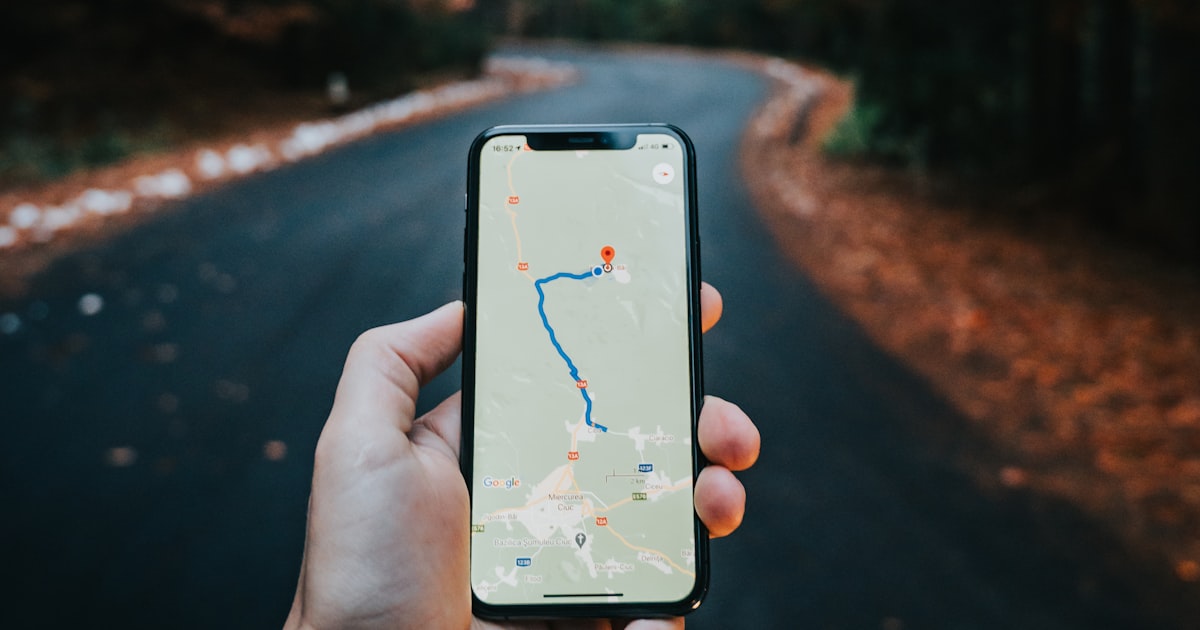
When someone near you pulls out their phone and searches "coffee near me", "emergency plumber Brisbane" or "hair salon open now", Google answers with a small map and three businesses pinned to it. That box — the map pack — is the most valuable piece of real estate in local search, and earning a spot in it is what local SEO in Australia is all about. If your business serves a suburb, a city or a service area, ranking on Google Maps puts you in front of people who are ready to walk in, call or book right now.
The best part is that local SEO rewards effort more than budget. A small business that sets things up properly can out-rank bigger, slower competitors who have let the basics slide. This guide explains how Google Maps rankings actually work in Australia, then walks you through the practical steps to climb them — no jargon, just the things that move the needle.
What is local SEO, and why it matters for Australian businesses
Local SEO is the practice of getting your business to show up when nearby customers search for what you offer. It covers two connected results: the Google Maps listings (the map pack) and the regular "blue link" results that carry local intent. For most Australian small businesses — tradies, cafes, clinics, retailers, allied health, home services — local searches are where the real money is, because the person searching is usually close by and close to buying.
Think about the difference in intent. Someone reading a national article is browsing. Someone searching "physio Newtown" or "bakery near me" wants a decision, fast. Local SEO puts you in front of that decision at the exact moment it happens — and it keeps working for free every time someone finds you organically. If you're new to search in general, our plain-English guide to SEO for small business is a helpful companion to this one.
It also helps to see how local SEO differs from the broader, national kind of search optimisation you may have read about.
| Local SEO | Traditional (national) SEO | |
|---|---|---|
| Main goal | Get found by nearby customers | Rank pages for searches from anywhere |
| Where you appear | Google Maps map pack + local results | Standard "blue link" search results |
| Biggest levers | Google Business Profile, reviews, citations | Content, backlinks, overall site authority |
| Typical searcher | Ready to call, visit or book now | Researching or comparing options |
| Best fit | Tradies, cafes, clinics, local retail, services | Online stores, publishers, national brands |
Most small businesses that serve a local area should get local SEO right first — it's faster to influence and closer to the sale.
How Google decides who ranks on Google Maps
Google is fairly open about how it ranks local results. It comes down to three main factors, and understanding them tells you exactly where to spend your energy.
1. Relevance
How well does your business match what the person searched for? Google reads your Google Business Profile, your website and other signals to work out whether you're a plumber, a dentist or a florist — and how specific your services are. A profile that clearly says "gas fitter and hot water specialist" will match "gas hot water repair" far better than a vague "handyman" listing. The more clearly and completely you describe what you do, the better Google can match you to the right searches.
2. Distance
How close are you to the searcher, or to the location in their search? You can't move your shopfront, but you can make sure your address and service areas are crystal clear so Google knows exactly where you operate. For a mobile business — say a dog groomer who visits homes across three council areas — defining those service areas properly matters just as much as a street address does for a cafe.
3. Prominence
How well known and trusted is your business? This is shaped by your reviews, your mentions across the web, links to your website and your overall online reputation. A local electrician with 80 recent five-star reviews will usually out-rank a newer competitor two streets closer. Prominence is the factor you have the most long-term control over, and it's where consistent effort pays off.
You can't easily change your distance from a searcher, but you have enormous control over relevance and prominence. That's where local SEO is won.
Set up and optimise your Google Business Profile
Your Google Business Profile (the free listing that powers your Maps presence) is the single most important asset in local SEO. If you only do one thing after reading this, make it this. For a deeper walkthrough, see our Google Business Profile optimisation guide — but here are the essentials.
Nail your core business information
Claim and verify your profile, then fill in every field completely and accurately:
- Business name — use your real, exact business name. Don't stuff in keywords like "Best Cheap Plumber Sydney"; it breaches Google's guidelines and can get your listing suspended.
- Address and service area — make sure it matches your website and other listings word for word.
- Phone number — a local number builds trust and consistency; avoid swapping in a call-tracking number that appears nowhere else.
- Hours — keep them accurate, and update them for public holidays. Wrong hours frustrate customers and hurt your standing.
- Website link — point it to a relevant page, not a broken or generic one.
The consistency of your name, address and phone number — often called your NAP — is a genuine ranking factor. We'll come back to it.
Choose the right categories
Your primary category is one of the strongest relevance signals you have. Pick the most specific option that describes your main service (for example, "Italian restaurant" rather than just "Restaurant", or "Emergency dental service" rather than "Dentist"). Then add relevant secondary categories for your other services. Spend time here — the right category choice alone can lift your visibility.
Add photos, posts and products
Profiles with good photos get more clicks and calls. Upload clear, genuine images of your premises, your team, your work and your products — before-and-after shots are gold for trades and beauty businesses. Use Google Posts to share offers, seasonal updates and news, and list your services or products with descriptions and prices where you can.
Switch on every feature that fits
Google keeps adding tools that make your listing work harder: messaging so customers can text you directly, a Q&A section you can seed with common questions, booking links for appointment-based businesses, and attributes like "wheelchair accessible", "women-owned" or "free quotes". Turn on the ones that suit you. An active, well-stocked profile signals to both Google and customers that you're a real, thriving business.
Win and manage more five-star reviews
Reviews are one of the most powerful prominence signals, and they directly sway whether a customer chooses you over the business listed next to you. Both the quantity and the recency matter, so a steady stream of fresh reviews beats a big pile of old ones.
- Ask simply, and ask often. The best moment is right after you've delivered great work, while the customer is still glowing. A short text or email with a direct review link removes the friction — something as plain as: "Thanks for having us today! If you've got 30 seconds, a quick Google review really helps a small business like ours: [link]."
- Reply to every review. Thank the happy customers by name, and answer the critical ones calmly and helpfully. Google notices the engagement, and future customers read your replies closely — a measured response to a complaint can win more trust than the complaint cost you.
- Never buy fake reviews. It breaches Australian Consumer Law and Google's own rules, and the ACCC has taken action over fake and misleading reviews. Earn them honestly — it's the only version that lasts.
A handful of recent, genuine, well-answered reviews will do more for your local ranking than almost anything else on this list.
Build local relevance on your website
Your Google Business Profile does a lot of the heavy lifting, but your website confirms and strengthens your relevance. It's also where you turn a visitor into an enquiry, so it needs to work hard on both fronts.
Create clear location and service pages
Give each core service its own page, and if you serve multiple areas, create genuinely useful pages for the main ones — with real local detail, not thin copies with the suburb name swapped out. Mention the suburbs and regions you serve naturally throughout your content. Doing a little keyword research first helps you use the exact phrases locals actually type.
Get the on-page basics right
- Put your business name, address and phone number in your website footer so they appear on every page.
- Write clear page titles and descriptions that include your service and location.
- Make sure the site loads fast and works beautifully on mobile — most local searches happen on phones.
- Add a simple contact page with a map, your hours and an easy way to get in touch.
Once people land, the job is to turn them into customers — our guide on turning website visitors into customers covers that side in detail.
Keep your citations and NAP consistent
A citation is any mention of your business name, address and phone number on another website — think directories like True Local, Yellow Pages, Yelp, Hotfrog and StartLocal, plus your industry associations and local chambers of commerce. Google cross-checks these mentions to confirm you're a real, established business.
The golden rule is consistency. If your address is written five different ways across the web, or an old phone number is still floating around from your last premises, it muddies the signal and can hold you back. Audit your listings, fix or remove the inaccurate ones, and use the exact same format everywhere — right down to "St" versus "Street".
How to know your local SEO is working
Local SEO isn't guesswork — you can measure whether the effort is paying off. Check these signals each month and you'll quickly see what's working:
- Google Business Profile performance — your profile's built-in insights show calls, direction requests, website clicks and how people found you. Rising calls and direction requests are the clearest sign you're climbing.
- Map pack position — your ranking shifts depending on where the searcher is standing, so check it from a few points across your service area rather than just from your own shop. A steady lift across the whole area beats one lucky result.
- Review growth — track how many new reviews you earn each month and your average rating. A consistent trickle is the goal.
- Enquiries and bookings — the number that actually matters. Ask new customers how they found you, and watch whether "Google" and "the map" come up more often.
Give any change a few weeks before you judge it, and adjust one thing at a time so you know what made the difference. If you'd rather have the whole thing set up and monitored for you, our service packages cover it end to end.
Your local SEO checklist for Australian businesses
Use this as a running checklist. Work top to bottom — the items near the top carry the most weight.
| Task | Why it matters | Priority |
|---|---|---|
| Claim and verify Google Business Profile | Your foundation for appearing on Maps at all | Essential |
| Complete every profile field accurately | Boosts relevance and customer trust | Essential |
| Choose the most specific primary category | One of the strongest ranking signals | Essential |
| Ask for reviews and reply to all of them | Drives prominence and win rate | High |
| Add genuine photos and regular posts | Increases clicks, calls and engagement | High |
| Make sure NAP is identical everywhere | Confirms you're a legitimate business | High |
| Build clear service and location pages | Reinforces what you do and where | Medium |
| Fix major directory citations | Strengthens trust signals across the web | Medium |
| Ensure a fast, mobile-friendly site | Most local searches are on phones | Medium |
If you'd like to widen your efforts beyond Maps into general rankings too, our guide on how to rank higher on Google is the natural next step.
Frequently asked questions
How long does local SEO take to work in Australia?
It varies with your location, your competition and how much groundwork you're starting from, but most businesses see early movement within a few weeks of properly setting up and optimising their Google Business Profile. Meaningful, stable results — steady reviews, stronger rankings and more enquiries — usually build over three to six months. Local SEO is a compounding effort, not an overnight switch, so the businesses that keep at it steadily are the ones that pull ahead.
Do I need a website to rank on Google Maps?
You can appear on Google Maps with just a Google Business Profile, and some businesses do rank without a website. But a good, fast website strengthens your relevance, gives you somewhere to send interested customers, and helps you convert clicks into paying jobs — and because most local searches happen on phones, website speed matters more than ever. In competitive areas a website is often the difference between showing up and standing out, so we'd always recommend having one.
What's the difference between local SEO and regular SEO?
Regular SEO focuses on ranking web pages for searches that could come from anywhere, while local SEO focuses on getting your business found by nearby customers — mainly through Google Maps and location-based searches. Local SEO leans heavily on your Google Business Profile, reviews and citations, whereas broader SEO leans more on content and links. If you want both working together, our guide on how to rank higher on Google shows how they fit. Most small businesses that serve a local area should prioritise local SEO first.
Is Google Business Profile free to use?
Yes. Creating, verifying and optimising your Google Business Profile is completely free, and it's the highest-value free marketing tool most local businesses have. You can pay for Google Ads separately if you want to appear in the paid spots, but your organic Maps presence — the map pack — costs nothing but the time to set it up well and keep it current.
Ready to get found by more local customers? The team at OptiTide helps Australian small businesses master local SEO in Australia, climb the Google Maps rankings and turn nearby searches into real enquiries. Get in touch for a free, no-obligation quote and let's map out your next steps.